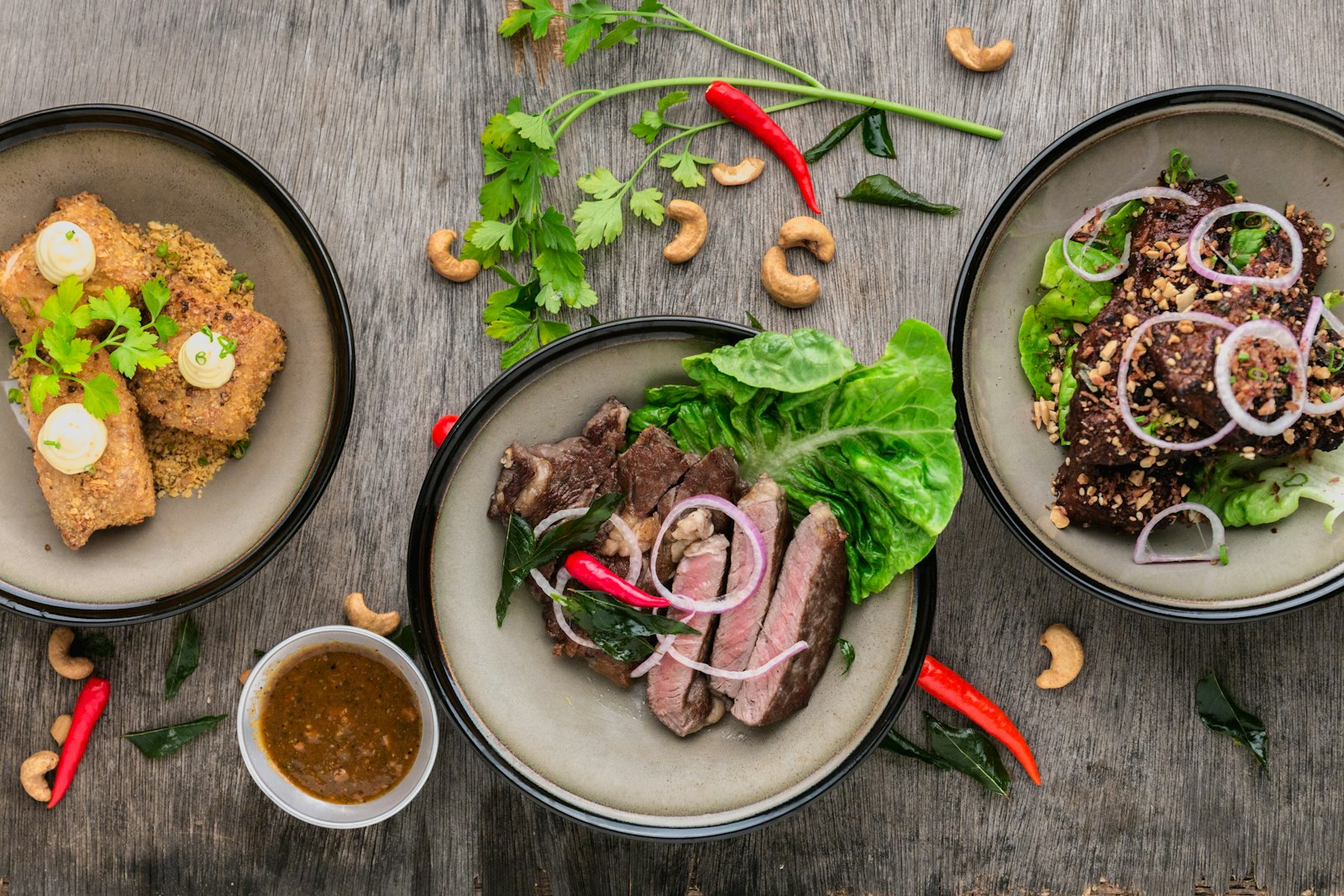
About this dish
Anoushabour is a traditional Armenian sweet wheat berry pudding, typically made with whole wheat grains, dried fruits, and nuts, resulting in a thick, porridge-like dessert with a subtly sweet and warming flavour.
📍 Find the best Anoushabour near me
AI-powered — Google, TripAdvisor and food blogs
Ingredients
🌾2 cups whole wheat berries, soaked overnight
💧6–8 cups water
🍇1 cup raisins
🍑1 cup dried apricots, roughly chopped
🍒½ cup dried tart cherries or cranberries
🌰½ cup walnut halves or pieces
🌿1 teaspoon ground cinnamon
🍬½–¾ cup sugar, or to taste
🫐¼ cup dried currants
🫙1 teaspoon vanilla extract (optional)
Method
Serves 21
Rinse the wheat berries thoroughly, then soak them in cold water for at least 8 hours or overnight to soften the grains.2
Drain and rinse the soaked wheat berries, then place them in a large, heavy-bottomed pot and cover with 6–8 cups of fresh water.3
Bring the pot to a boil over medium-high heat, then reduce the heat to low, cover, and simmer gently for 1.5 to 2 hours, or until the wheat berries are tender and have burst open slightly, stirring occasionally.4
Add the raisins, dried apricots, dried cherries or cranberries, and currants to the pot, stirring to combine.5
Stir in the sugar and cinnamon, adjusting sweetness to your preference. Continue to cook over low heat for a further 20–30 minutes, allowing the fruit to soften and the mixture to thicken.6
If the pudding becomes too thick, add a little hot water and stir to reach a creamy, porridge-like consistency. Stir in the vanilla extract if using.7
Remove from the heat and fold in the walnuts, reserving a few pieces for garnish.8
Spoon into serving bowls or a large dish, garnish with reserved walnuts and a dusting of cinnamon, and serve warm or at room temperature.✓ What Makes it Authentic
Anoushabour is closely associated with Armenian Christmas and New Year celebrations, and is traditionally prepared and shared during the holiday season. It is considered a festive dish within Armenian communities both in Armenia and throughout the Armenian diaspora worldwide.
User Reviews
No reviews yet — be the first!
Sign in to leave a review
Members can create lists, save favourites and get recommendations.
🌍 Food Vlogs
Eating and cooking it at the source
🌍
No videos yet
What To Eat
The World's Food Guide
© 2026 What To Eat · hello@whattoeat.world