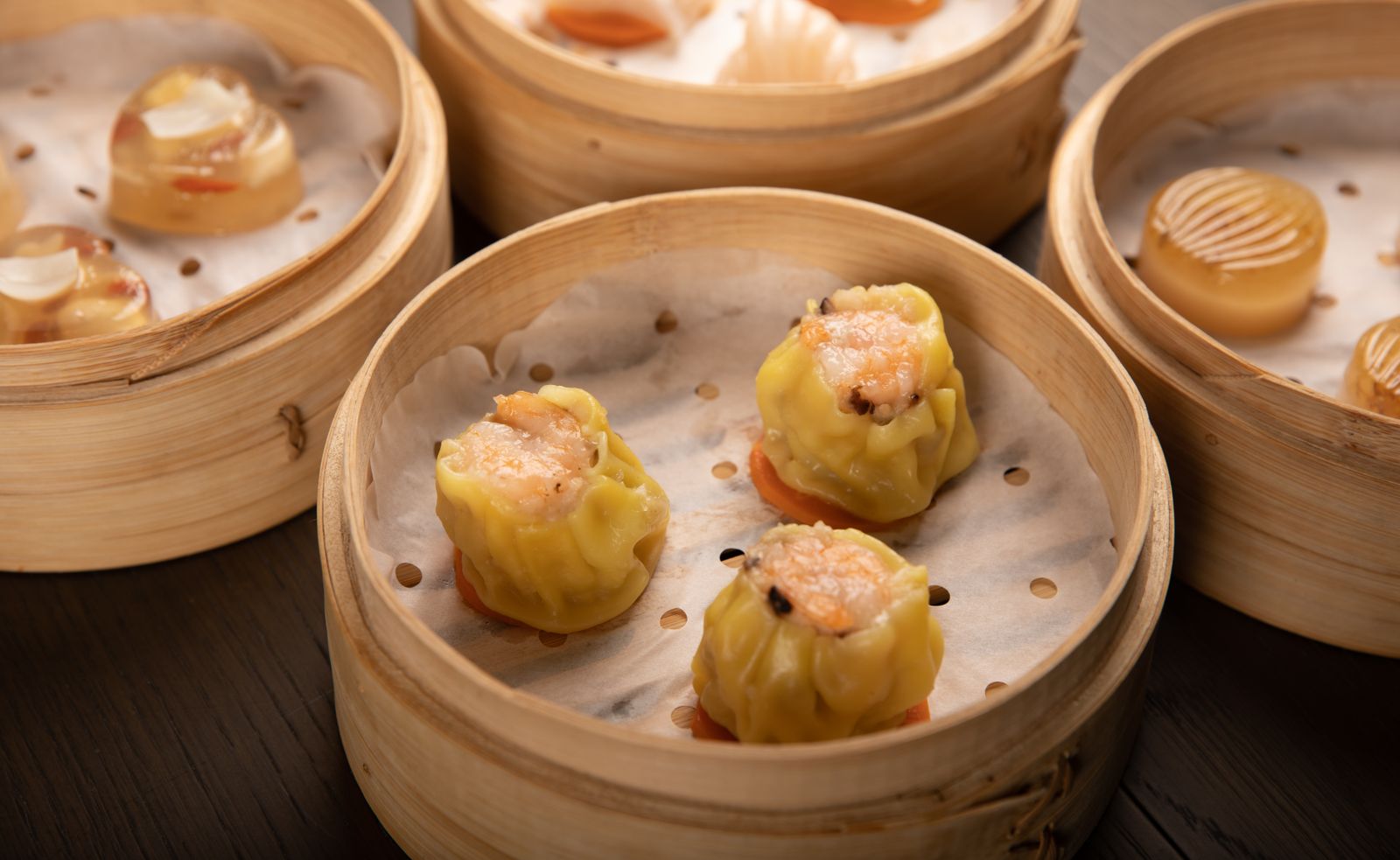
The Cantonese tradition of small plates — har gow, siu mai, char siu bao and cheung fun served with jasmine tea.
Dim sum — literally touch the heart — is not a dish but a culinary tradition, the Cantonese practice of yum cha (drinking tea) accompanied by small plates. The tradition originated in the teahouses of ancient China along the Silk Road, where travellers would stop to drink tea. Food was served to complement the tea, and over centuries the food became as important as the tea. Traditional dim sum restaurants in Hong Kong operate trolley service — pushcarts wheeled through the dining room. The quality of har gow (prawn dumpling) is considered the truest test of a dim sum chef — the wrapper must be translucent, silky and never sticky.
Dim sum is a yum cha experience — it should be shared over tea. Har gow wrappers must be translucent. Siu mai should be open-topped. Never rush dim sum.
© 2025 What To Eat · hello@whattoeat.world