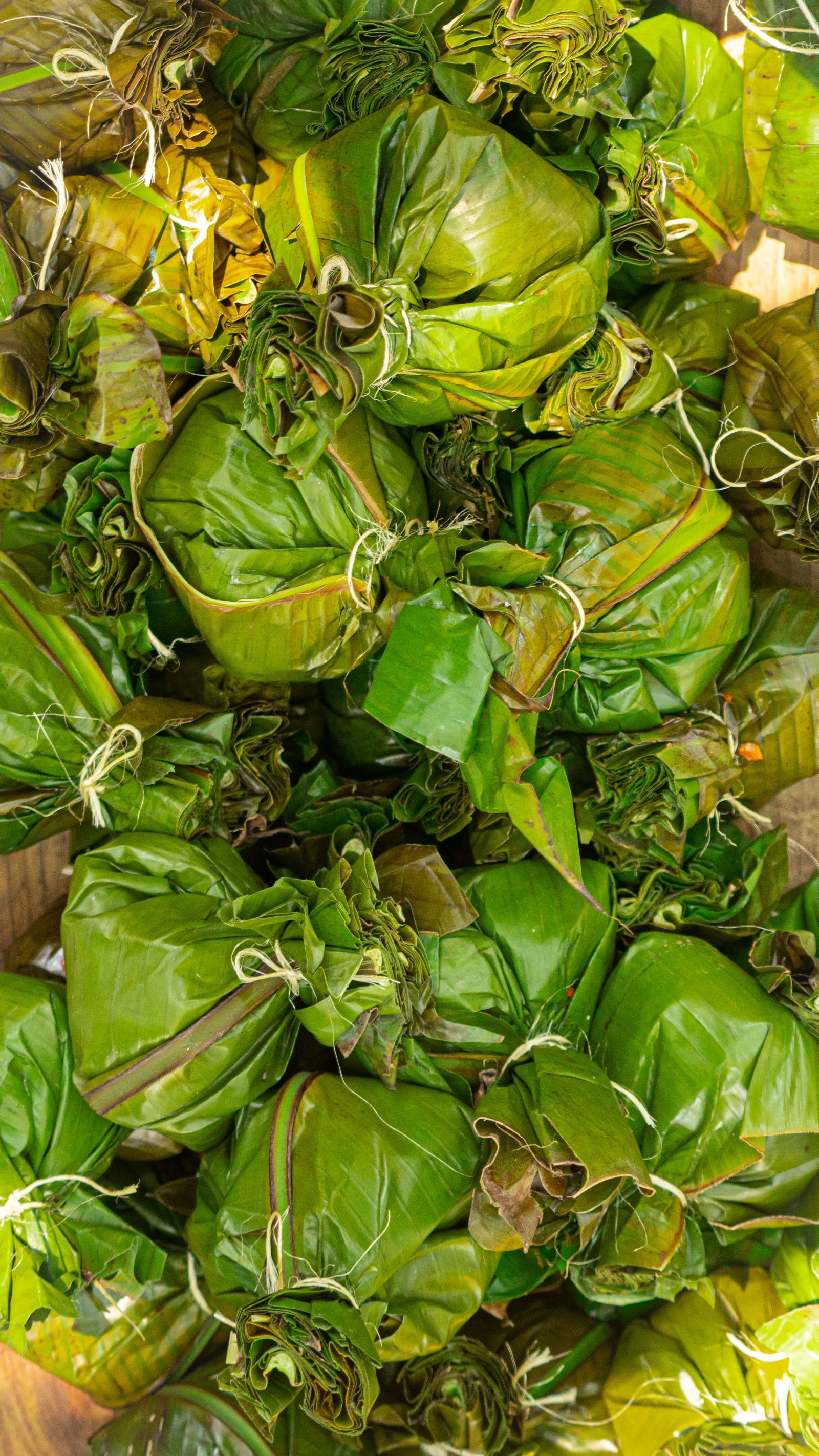
About this Dish
New Zealand's most ancient cooking method — a Maori earth oven in which meat and vegetables are slow-cooked over heated stones buried in the ground for several hours. The result is extraordinarily tender meat with a distinctive earthy, smoky flavour impossible to replicate by other means. Hangi is prepared for celebrations, tangi (funerals) and important gatherings. A living connection to pre-European Maori culture.
IngredientsServes 10
🍗Bone-in chicken pieces (thighs and drumsticks), 1.5kg
🥩Lamb shoulder, 1kg cut into large chunks
🥔Potatoes, 1kg peeled and halved
🍠Kumara (orange sweet potato), 800g peeled and halved
🥕Carrots, 4 large, cut into thick chunks
🥦Pumpkin, 600g peeled and cut into large cubes
🧅Cabbage, half a head, cut into thick wedges
🧄Garlic cloves, 6 whole, lightly crushed
🧂Salt and cracked black pepper, generous seasoning
💧Water, 2 cups for steam generation
Method
1
Dig a pit in your backyard about 60cm deep and 80cm wide, then gather 15–20 large volcanic or river stones (never use wet creek stones as they can explode) and build a hardwood fire over them in the pit, burning for 2–3 hours until the stones glow red-hot and the wood burns down to coals.2
While the fire burns, season your chicken and lamb generously with salt and pepper, then place the meat and vegetables into separate wire baskets or tied muslin cloth parcels — keeping meat and vegetables in different layers will be important when you stack them.3
Once the fire has burned down, carefully rake the coals to the sides and place a layer of wet sacking, soaked tea towels or fresh green leaves directly onto the hot stones to create steam — work quickly as you want to retain as much heat as possible.4
Lower the meat basket first directly onto the steam layer, then stack the vegetable basket on top, pour your water over the baskets to generate extra steam, then cover everything with more wet sacking or cloth, making sure no gaps allow steam to escape.5
Shovel the excavated earth back over the entire mound, packing it firmly to seal in all the heat and steam — the cooking process now relies entirely on trapped heat, so a good seal is critical for success.6
Leave the hangi completely undisturbed for 3–4 hours; resist the temptation to check it early as every time you lift the earth you lose precious heat, and the chicken should reach at least 75°C internally and the lamb should be fall-apart tender.7
Carefully unearth the pit by removing the soil and lifting the cloth layers away from yourself to avoid the rush of steam, then serve the beautifully tender meat and vegetables together on a large shared platter — the earthy, smoky aroma is the hallmark of an authentic hangi.User Reviews
No reviews yet — be the first!
Sign in to leave a review
Members can create lists, save favourites and get recommendations.
Find the Best Hangi Near Me
AI-powered — Google, TripAdvisor and food blogs
What To Eat
The World's Food Guide
© 2025 What To Eat · hello@whattoeat.world